“This intensification of inner life helped the prisoner find a refuge from the emptiness, desolation and spiritual poverty of his existence, by letting him escape into the past. When given free rein, his imagination played with past events, often not important ones, but minor happenings and trifling things. His nostalgic memory glorified them and they assumed a strange character. Their world and their existence seemed very distant and the spirit reached out for them longingly: In my mind I took bus rides, unlocked the front door of my apartment, answered my telephone, switched on the electric lights. Our thoughts often centered on such details, and these memories could move one to tears.”
Quote by Viktor E. Frankl
Work
Man's Search for Meaning
This seminal work delves into the author's experiences as a psychiatrist and prisoner in Nazi concentration camps, offering insights into the human capacity for finding meaning and hope amidst extreme suffering. more
Author
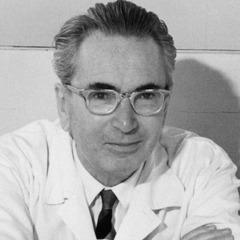
Viktor E. Frankl
Viktor E. Frankl was a renowned neurologist and psychologist, born on March 26, 1905, and died on September 2, 1997. He was one of the founders of existential psychology and is known for his experiences in Nazi concentration camps and his book 'Man's Search for Meaning'. more
You May Also Like
Source: Dead Toad Scrolls
Source: Les miserables
Source: The Invention of Solitude
Source: Consolations: The Solace, Nourishment and Underlying Meaning of Everyday Words
“Suffering happens when we believe the solution is outside ourselves.”
Source: Walking in Wonder: Eternal Wisdom for a Modern World
Source: Man's Search for Meaning
Source: Dead Toad Scrolls