“They please the world most, who please Christ least.”
Quote by St. Jerome
Work
The Sacred Writings of Saint Jerome (Annotated Edition)
The Sacred Writings of Saint Jerome (Annotated Edition) is a comprehensive collection of the writings of Saint Jerome, a significant figure in the early Christian Church. The book features his translations of the Bible into Latin, as well as his commentaries on various religious texts. The annotated edition includes scholarly annotations that provide historical context, textual analysis, and explanations of difficult passages, making it a valuable resource for students of early Christianity and classical literature. more
Author
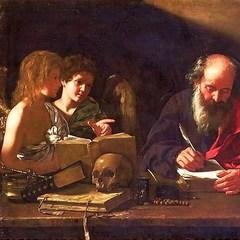
St. Jerome
St. Jerome (c. 347 – September 30, 420) was an early Christian Latin Church Father, biblical scholar, and translator. He is best known for his translation of the Bible from Greek and Hebrew into Latin, known as the Vulgate, which became the standard Bible for the Latin Church in the Middle Ages. Born in Stridon (modern-day Croatia or Slovenia), Jerome studied rhetoric and philosophy in Rome. He lived an ascetic life and established a monastery near Bethlehem, dedicating himself to scholarship and biblical commentary. His works include numerous letters, commentaries, and theological treatises, deeply influencing Western Christian thought. Jerome is venerated as a saint by the Catholic Church, Eastern Orthodox Church, Lutheranism, and Anglicanism, with his feast day on September 30. He is often depicted as a hermit with a lion, symbolizing his connection with nature and the divine. more
You May Also Like
“Don’t be afraid to ask God for forgiveness. He never tires of forgiving us. God is pure mercy.”
“Please pray with me for everyone in Sri Lanka and the Philippines as I begin my trip.”
Source: Prayer: The Great Conversation : Straight Answers to Tough Questions about Prayer
Source: Crossing the Threshold of Hope
“All men and women of good will are bound by the task of pursuing peace.”
Source: The Spirit of St Francis: Inspiring Words on Faith, Love and Creation