“Remember our words, then, and whatever is your aim let virtue be the condition of the attainment of your aim, and know that without this all possessions and pursuits are dishonourable and evil.”
Quote by Plato
Work
Delphi Complete Works of Plato (Illustrated)
The Delphi Complete Works of Plato (Illustrated) includes all of Plato's extant dialogues and other writings, presented in a single volume. The book is known for its scholarly annotations and the inclusion of illustrations that accompany key concepts and ideas discussed by Plato. more
Author
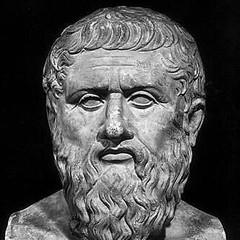
Plato
Plato (428 BC - 348 BC) was a prominent Greek philosopher, one of the most influential figures in Western philosophy. He founded the Academy, which was the first institution of higher education in the Western world. Plato's philosophy, centered around the theory of Forms, emphasized the importance of reason and morality. more
You May Also Like
Source: The Complete Plato
Source: The Republic
Source: The Complete Plato
Source: Plato
Source: The Republic
“God is not the author of all things, but of good only.”
Source: The Republic
Source: The Complete Plato
Source: Delphi Complete Works of Plato (Illustrated)