“Great Love has many attributes, and shrines For varied worshippers, but his force divine Shows most its many-named fulness in the man Whose nature multitudinously mixed-- Each ardent impulse grappling with a thought-- Resists all easy gladness, all content Save mystic rapture, where the questioning soul Flooded with consciousness of good that is Finds life one bounteous answer.”
Quote by George Eliot
Work
Delphi Complete Works of George Eliot (Illustrated)
The Delphi Complete Works of George Eliot (Illustrated) is a curated compilation of the author's extensive body of work. It features her most celebrated novels, such as 'Middlemarch' and 'Silas Marner,' alongside her shorter stories and essays. The inclusion of illustrations adds a visual dimension to the text, offering readers a richer experience of her writing. This collection is designed to cater to both casual readers and scholars interested in the works of George Eliot. more
Author
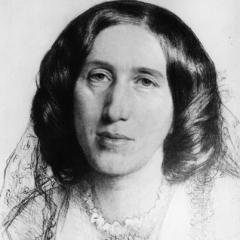
George Eliot
George Eliot, born Mary Ann Evans, was a renowned 19th-century British novelist. Her works are known for their profound psychological insights and critical exploration of social issues. With her unique narrative techniques and rich emotional expression, she has had a profound impact on literature. more
You May Also Like
Source: Felix Holt: The Radical
Source: Silas Marner and Scenes of Clerical Life
Source: Complete Works Of George Eliot
Source: Felix Holt: The Radical
Source: Delphi Complete Works of George Eliot (Illustrated)
Source: Silas Marner ; And, Scenes of Clerical Life
Source: Felix Holt: The Radical
“Incentives are not strategy, they are tactics. Defensive measures.”
Source: Four Novels of George Eliot
Source: Middlemarch: (Penguin Classics Deluxe Edition)