“I am terribly proud of-I was born in Cambridge in 1952 and my initials are DNA!”
Quote by Douglas Adams
Work
The Salmon of Doubt: Hitchhiking the Galaxy One Last Time
This book is a compilation of essays and articles written by Douglas Adams, known for his work on the 'Hitchhiker's Guide to the Galaxy' series. It delves into a range of topics, including science, technology, and the human condition, offering readers a glimpse into the mind of one of the most imaginative and insightful writers of our time. more
Author
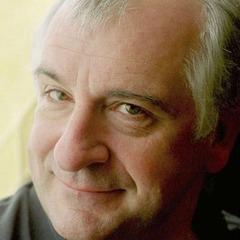
Douglas Adams
Douglas Adams was a British writer best known for his science fiction series 'The Hitchhiker's Guide to the Galaxy'. His work is celebrated for its unique humor and profound philosophical insights, making it a favorite among readers. Adams' novels often contain satirical commentary on modern society and deep reflections on the human condition. more
You May Also Like
Source: Pensées
Source: Science and the Modern World
Source: The Collected Works of C. G. Jung: Structure and dynamics of the psyche
“Having no unusual coincidence is far more unusual than any coincidence could possibly be.”
Source: The planet that wasn't
“All mystical experience is coincidence; and vice versa, of course.”