“If religion commands universal charity, to love our neighbors as ourselves, to forgive and pray for all our enemies without any reserve; it is because all degrees of love are degrees of happiness, that strengthen and support the Divine life of the soul, and are as necessary to its health and happiness, as proper food is necessary to the health and happiness of the body.”
Quote by William Law
Work
A Serious Call to a Devout and Holy Life
This book is a profound exploration of the role of religion and spirituality in the pursuit of a virtuous existence. It delves into the moral and ethical dimensions of faith, advocating for a life of devotion and holiness. more
Author
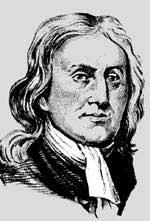
William Law
William Law, an English writer, was born in 1686 and died on April 9, 1761. His works covered various fields such as philosophy, religion, and morality, and had a profound impact on later generations. more
You May Also Like
“There are no strangers in Freemasonry, only friends you've yet to meet.”
“There is no doubt in my mind that Masonry is the cornerstone of America.”
Source: Bacon's Advancement of Learning and the New Atlantis
Source: Papers of John Adams, Volume 18: December 1785 - January 1787
Source: The End of Faith: Religion, Terror, and the Future of Reason