“We were wanderers on a prehistoric earth, of an earth that wore the aspect of an unknown planet. We could have fancied ourselves the first of men taking possession of an accursed inheritance, to be subdued at the cost of profound anguish and of excessive toilo. But suddenly, as we struggled round a bend, there would be a glimpse of rush walls, of peaked grass-roofs, a burst of yells, a whirl of black limbs, a mass of hands clapping, of feet stamping, of bodies swaying, of eyes rolling, under the droop of heavy and motionless foliage. The steamer toiled along slowly on the edge of a black and incomprehensible frenzy. The prehistoric man was cursing us, praying to us, welcoming us - who could tell? We were cut off from the comprehension of our surroundings; we glided past like phantoms, wondering and secretly appalled, as sane men would before an enthousiastic outbreak in a madhouse.”
Quote by Joseph Conrad
Book:Heart of Darkness
Work
Heart of Darkness
Joseph Conrad's 'Heart of Darkness' is a seminal work that delves into the dark underbelly of colonialism and the psychological impact of exploration. The narrative follows Marlow, a seaman, as he navigates the treacherous Congo River and encounters the enigmatic Mr. Kurtz. more
Author
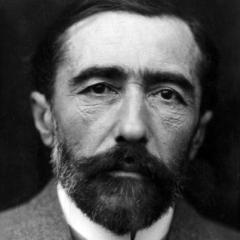
Joseph Conrad
Joseph Conrad, born on December 3, 1857 in Poland and died on August 3, 1924 in the United Kingdom, was a renowned British author of the late 19th and early 20th centuries. He is known for his profound descriptions of maritime life and his insightful explorations of human nature. more
You May Also Like
Source: Kolyma Tales
Source: Tess of the D’Urbervilles
Source: Shooting from the Hip: Photographs and Essays
Source: On Being Certain: Believing You Are Right Even When You're Not
Source: The Midnight Mayor
“Everyone is born with a different mind and the same heart.”
Source: We
Source: A Heartbreaking Work of Staggering Genius