“I gave my son a lavishly illustrated edition of Alice’s Adventures in Wonderland for his fourth birthday, and it did not take very long for me to realize that this was a gift for me, not for him. As Alice engaged in repartee with a dodo early in the book, my son became bored. Alice’s bewilderment and disorientation, which I had anticipated might speak to my son’s experience of being a child in an adult’s world, spoke instead to my own experience navigating the world of information. Being lost in Wonderland is what it feels like to learn about an unfamiliar subject, and research is inevitably a rabbit hole. I fell down it, in my investigation of immunization, and fell and fell, finding that it was much deeper than I anticipated. Like Alice, I fell past shelves full of books, more than I could ever read. Like Alice, I arrived at locked doors. “Drink me,” I was commanded by one source. “Eat me,” I was told by another. They had opposite effects - I grew and shrank, I believed and did not believe. I cried and then found myself swimming in my own own tears.”
Quote by Eula Biss
Work
On Immunity: An Inoculation
Browse quotes and source details for this work. more
Author
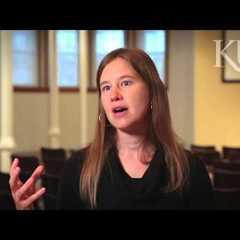
Eula Biss
Eula Biss is an American fiction writer born in 1977. Her works are known for their profound themes and unique narrative style. Biss's novels explore the relationship between individuals and society, power, and knowledge, often involving historical, political, and philosophical issues. more
You May Also Like
Source: Rotkäppchen und der Hipster-Wolf
Source: The Mind in the Cave: Consciousness and the Origins of Art
“A lack of methodology in Upper Palaeolithic art research has led to confusion of priorities.”
Source: The Mind in the Cave: Consciousness and the Origins of Art
Source: The Mind in the Cave: Consciousness and the Origins of Art
Source: The Mind in the Cave: Consciousness and the Origins of Art
Source: The Mind in the Cave: Consciousness and the Origins of Art
“Habits stay with you even when you don’t have the motivation.”
Source: Procrasdemon - The Artist's Guide to Liberation from Procrastination
Source: The Mind in the Cave: Consciousness and the Origins of Art
Source: The Mind in the Cave: Consciousness and the Origins of Art