Quotessence
Home / Quotes / Quote by Bohumil Hrabal

Quote by Bohumil Hrabal

“Because when I read, I don't really read; I pop a beautiful sentence into my mouth and suck it like a fruit drop, or I sip it like a liqueur until the thought dissolves in me like alcohol, infusing brain and heart and coursing on through the veins to the root of each blood vessel.”

Quote by Bohumil Hrabal

Work

Too Loud a Solitude

This book delves into the profound and often unsettling aspects of human existence, examining the individual's place in the universe and the inevitability of death. more

Author

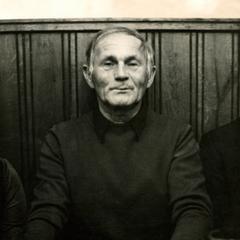
Bohumil Hrabal
Bohumil Hrabal

Bohumil Hrabal was a prominent Czech writer known for his humor and satire. His works often focus on the everyday lives of ordinary people, exploring themes of humanity and social change. Hrabal's distinctive writing style has won him a wide readership. more

You May Also Like

“If this nation is to be wise as well as strong, if we are to achieve our destiny, then we need more new ideas for more wise men reading more good books in more public libraries. These libraries should be open to all—except the censor. We must know all the facts and hear all the alternatives and listen to all the criticisms. Let us welcome controversial books and controversial authors. For the Bill of Rights is the guardian of our security as well as our liberty. [Response to questionnaire in Saturday Review, October 29 1960]”

“We are the people of the book. We love our books. We fill our houses with books. We treasure books we inherit from our parents, and we cherish the idea of passing those books on to our children. Indeed, how many of us started reading with a beloved book that belonged to one of our parents? We force worthy books on our friends, and we insist that they read them. We even feel a weird kinship for the people we see on buses or airplanes reading our books, the books that we claim. If anyone tries to take away our books—some oppressive government, some censor gone off the rails—we would defend them with everything that we have. We know our tribespeople when we visit their homes because every wall is lined with books. There are teetering piles of books beside the bed and on the floor; there are masses of swollen paperbacks in the bathroom. Our books are us. They are our outboard memory banks and they contain the moral, intellectual, and imaginative influences that make us the people we are today.”