“Amory, sorry for them, was still not sorry for himself - art, politics, religion, whatever his medium should be, he knew he was safe now, free from all hysteria - he could accept what was acceptable, roam, grow, rebel, sleep deep through many nights... There was no God in his heart, he knew; his ideas were still in riot; there was ever the pain of memory; the regret for his lost youth - yet the waters of disillusion had left a deposit on his soul, responsibility and a love of life, the faint stirring of old ambitions and unrealized dreams... And he could not tell why the struggle was worth while, why he had determined to use to the utmost himself and his heritage from the personalities he had passed... He stretched out his arms to the crystalline, radiant sky. "I know myself," he cried, "but that is all.”
Quote by F. Scott Fitzgerald
Work
This Side of Paradise is a seminal work of American literature, offering a vivid portrayal of the Roaring Twenties. The story follows the protagonist, Amory Blaine, as he navigates the social and romantic landscapes of New York City and Europe. The novel is known for its exploration of themes such as youthful idealism, the pursuit of happiness, and the challenges of adulthood. more
Author
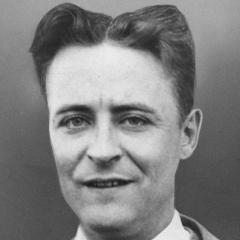
F. Scott Fitzgerald was an American author of novels and short stories, renowned for his works that encapsulate the Jazz Age and the Roaring Twenties. His most celebrated novel, 'The Great Gatsby,' is a critical and commercial success, reflecting the themes of the American Dream and the decline of the American upper class. more
You May Also Like
“You will never be satisfied until you are completely satisfied with God.”
“I can dream, though - can't I, for myself? Even if you have not the imagination or the soul?”