“From seven hundred journalists at the beginning of March, the number had dwindled to about one hundred and fifty—print reporters, TV correspondents, photographers, cameramen, and support personnel. At the press center I encountered Kazem, who only a week before I had asked for help with my visa. “Why are you staying when everyone else is leaving?” he asked. I took a chance and replied in Arabic. Some journalists, I said, are as samid as the Iraqi people. Samid means “steadfast” and “brave” and is the adjective most often used by Iraqis to describe themselves. Kazem laughed and threw his arm around my shoulder.”
Quote by Richard Engel
Work
And Then All Hell Broke Loose: Two Decades in the Middle East
Browse quotes and source details for this work. more
Author
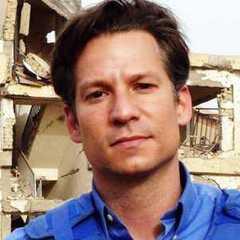
Richard Engel
Richard Engel is an American journalist born on September 16, 1973. He is known for his reporting in war zones and in-depth investigations, having won multiple journalism awards. more
You May Also Like
Source: And Then All Hell Broke Loose: Two Decades in the Middle East
Source: And Then All Hell Broke Loose: Two Decades in the Middle East
Source: And Then All Hell Broke Loose: Two Decades in the Middle East
Source: And Then All Hell Broke Loose: Two Decades in the Middle East
Source: How Not to Write a Novel: 200 Classic Mistakes and How to Avoid Them—A Misstep-by-Misstep Guide
Source: And Then All Hell Broke Loose: Two Decades in the Middle East
Source: And Then All Hell Broke Loose: Two Decades in the Middle East
Source: And Then All Hell Broke Loose: Two Decades in the Middle East
Source: And Then All Hell Broke Loose: Two Decades in the Middle East
Source: Coraline