Quotessence
Home / Quotes / Quote by Khaled Hosseini

Quote by Khaled Hosseini

Work

Sea Prayer

Browse quotes and source details for this work. more
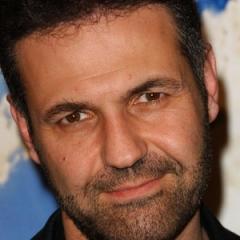
Author

Khaled Hosseini
Khaled Hosseini

Khaled Hosseini is an Afghan-American novelist, best known for his novel 'The Kite Runner,' which has become a global bestseller. The story, centered around themes of friendship, betrayal, and redemption, has resonated with readers worldwide. Hosseini's works often focus on the history and culture of Afghanistan, as well as the complexities of human nature. more

You May Also Like

“The footpath curves right, and my home’s roof ridge is visible through the coconut fronds. A streak of happiness lights up in my heart. I know it’s just a building, but I hear its frantic call, reaching out to me like a mother cow that has lost its calf. Is this what differentiates a home from a house—the life in the former, the soul breathed in by my grandparents, my parents, and me?”

“The truth is, everyone likes to look down on someone. If your favorites are all avant-garde writers who throw in Sanskrit and German, you can look down on everyone. If your favorites are all Oprah Book Club books, you can at least look down on mystery readers. Mystery readers have sci-fi readers. Sci-fi can look down on fantasy. And yes, fantasy readers have their own snobbishness. I’ll bet this, though: in a hundred years, people will be writing a lot more dissertations on Harry Potter than on John Updike. Look, Charles Dickens wrote popular fiction. Shakespeare wrote popular fiction—until he wrote his sonnets, desperate to show the literati of his day that he was real artist. Edgar Allan Poe tied himself in knots because no one realized he was a genius. The core of the problem is how we want to define “literature”. The Latin root simply means “letters”. Those letters are either delivered—they connect with an audience—or they don’t. For some, that audience is a few thousand college professors and some critics. For others, its twenty million women desperate for romance in their lives. Those connections happen because the books successfully communicate something real about the human experience. Sure, there are trashy books that do really well, but that’s because there are trashy facets of humanity. What people value in their books—and thus what they count as literature—really tells you more about them than it does about the book.”