Quotessence
Home / Quotes / Quote by William Wordsworth

Quote by William Wordsworth

Work

The Complete Poetical Works of William Wordsworth ...

This book includes a wide array of poems by William Wordsworth, showcasing his contributions to English Romantic literature and his exploration of nature, emotion, and the human experience. more

Author
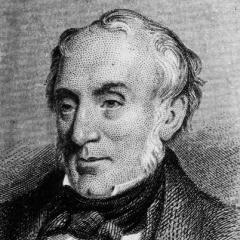
William Wordsworth
William Wordsworth

William Wordsworth was an English Romantic poet, born on April 7, 1770, in Cockermouth, and died on April 23, 1850. His poetry is renowned for its depiction of natural landscapes and profound expression of personal emotions and inner world. more

You May Also Like

“The most radical division that it is possible to make of humanity is that which splits it into two classes of creatures: Those who make great demands on themselves, piling up difficulties and duties; and those who demand nothing special of themselves, but for whom to live is to be every moment what they already are, without imposing on themselves any effort towards perfection, mere buoys that float on the waves.”

“Beliefs constitute the basic stratum, that which lies deepest, in the architecture of our life. By them we live, and by the same token we rarely think of them.... One may symbolize the individual life as a bank of issue. The bank lives on the credit of a gold reserve which is rarely seen, which lies at the bottom of metal coffers hidden in the vaults of the building. The most elementary caution will suggest that from time to time the effective condition of these guaranties--of these credences, one might say, that are the basis of credit--be passed in review.”

“One realizes that human relationships are the tragic necessity of human life; that they can never be wholly satisfactory, that every ego is half the time greedily seeking them, and half the time pulling away from them. In those simple relationships of loving husband and wife, affectionate sisters, children and grandmother, there are innumerable shades of sweetness and anguish which make up the pattern of our lives day by day, though they are not down in the list of subjects from which the conventional novelist works.”