Quotessence
Home / Quotes / Quote by Seyyed Hossein Nasr

Quote by Seyyed Hossein Nasr

“Yearning is inseparable from love, and since once doesn't have the object of love immediately, one has not fallen in the embrace of the beloved immediately, they are suffering. That's how they are related.”

Quote by Seyyed Hossein Nasr

Author
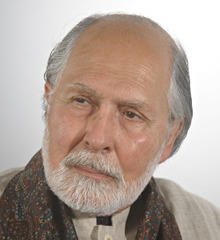
Seyyed Hossein Nasr
Seyyed Hossein Nasr

Seyyed Hossein Nasr is a distinguished Iranian philosopher, intellectual, and scholar of Islamic studies. Born on April 7, 1933, he has made significant contributions to the field of Islamic philosophy and comparative religion. His work emphasizes the importance of understanding Islamic thought in its historical and cultural context. more

You May Also Like

“When one talks about being like a dead corpse in the hands of a spiritual teacher it means being able to surrender one's will, specially one's nafs al ammarah, that is a part of our soul which is again a Quranic term, which commands us to evil - we must surrender that. That's what it means. It doesn't make you become part of a cog of a machine.”

“The Islamic world is not only suffering from the American occupation of Palestine and Iraq, it's also suffering from the unbelievable corruption in Afghanistan by Afghans themselves and also in Iraq - I'm just giving these 2 examples of countries which are under direct occupation; I do not mean at all to negate the terrible events that led to this or what's going on with the foreign occupation there.”

“Sufis have always been those that have tried to purify the ethics of Islam and society. And they don't have their hands cut off from the external action at all. For example, the bazaar in which the Sufis were very strong always dominated economic life in Islamic world. They could give a much more sane and Islamic form of activity when the economic life of Islam moved out of the bazaar to new parts of Islamic cities with modernized Muslims, who took it in another light and it became very, very anti Islamic, and much against many of the most profound practices of Islamic societies.”