“The real purpose of the scientific method is to make sure Nature hasn't misled you into thinking you know something you don't actually know. There's not a mechanic or scientist or technician alive who hasn't suffered from that one so much that he's not instinctively on guard. That's the main reason why so much scientific and mechanical information sounds so dull and so cautious. If you get careless or go romanticizing scientific information, give it a flourish here and there, Nature will soon make a complete fool out of you. It does it often enough anyway even when you don't give it opportunities. One must be extremely careful and rigidly logical when dealing with Nature: one logical slip and an entire scientific edifice comes tumbling down. One false deduction about the machine and you can get hung up indefinitely.”
Quote by Robert M. Pirsig
Work
This book combines a travel narrative with a philosophical inquiry, examining the concepts of quality, truth, and the nature of reality. The author reflects on these ideas while on a motorcycle journey with his son, engaging in discussions that delve into the essence of human values and the pursuit of meaning in life. more
Author
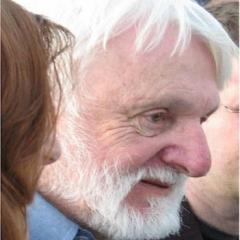
Robert M. Pirsig was an American writer best known for his philosophical novel 'Zen and the Art of Motorcycle Maintenance.' This work combines philosophical thinking with travel adventure, exploring the concepts of quality, value, and the meaning of life. more
You May Also Like
“You want a shadow, you got to have light and something to get in its way.”
“It is from their foes, not their friends, that cities learn the lesson of building high walls”
“Persistence wears down resistance.”