“It is in vain to look for the elevation of woman so long as she is degraded in marriage.”
Quote by Elizabeth Cady Stanton
Work
The Selected Papers of Elizabeth Cady Stanton and Susan B. Anthony: In the school of anti-slavery, 1840 to 1866
The book is a compilation of the correspondence, speeches, and other writings of Elizabeth Cady Stanton and Susan B. Anthony, highlighting their contributions to the anti-slavery movement and their early advocacy for women's rights. It offers insights into their personal and political lives during a pivotal period in American history. more
Author
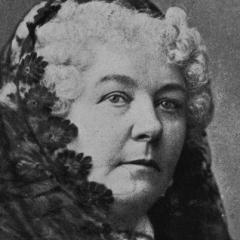
Elizabeth Cady Stanton
Elizabeth Cady Stanton, born on November 12, 1815, and died on October 26, 1902, was a pioneering American activist for women's rights. She was a key figure in the women's rights movement, known for her dedication to the fight for women's suffrage and gender equality. more
You May Also Like
Source: Elizabeth Cady Stanton: As Revealed in Her Letters & Diary (Abridged)
“There is a great deal in a name. It often signifies much, and may involve a great principle.”
Source: Elizabeth Cady Stanton as Revealed in Her Letters, Diary and Reminiscences
Source: Elizabeth Cady Stanton as Revealed in Her Letters, Diary and Reminiscences
Source: Elizabeth Cady Stanton as Revealed in Her Letters, Diary and Reminiscences
Source: The Selected Papers of Elizabeth Cady Stanton and Susan B. Anthony: When clowns make laws for queens, 1880-1887
Source: The Selected Papers of Elizabeth Cady Stanton and Susan B. Anthony: In the school of anti-slavery, 1840 to 1866
“The queens in history compare favorably with the kings.”
Source: History of woman suffrage
“No privileged order ever did see the wrongs of its own victims.”
Source: History of Women Suffrage
Source: History of woman suffrage