Quotessence
Home / Quotes / Quote by Robert P. George

Quote by Robert P. George

“What the Tea Parties are standing for is constitutional principle. It's not fundamentally about tax rates or whether to have a consumption tax or an income tax. It's about adherence to Constitution and the principle of limited government.”

Quote by Robert P. George

Author
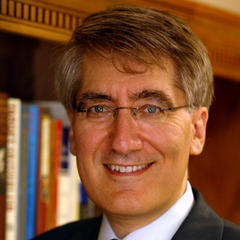
Robert P. George
Robert P. George

Robert P. George is an American law professor known for his contributions to constitutional theory and political philosophy. Born on July 10, 1955, he is currently a professor at Princeton University and serves as the president of the American Political Science Association. more

You May Also Like

“Growing up on Mad Men with so many incredible actors and then going on to other things with amazing people, I never had any formal acting training, but they are all acting schools, basically. Just watching and learning from the best is insane. It's like having an internship and watching all these amazing people doing their work. You just soak it up like a sponge, hopefully.”

“Ultimately, we as a band just write what we write. Some of it's very serious, and even in the serious songs, there's sometimes an angle of levity. I think that's just how we communicate naturally and to shy away from that would be, first of all, boring for me, but also it wouldn't ring true to who I am or the way I relate to people or the way we relate to people as a band or the way we relate to the audience. Humor is a big part of it, but we also take our craft very seriously.”

“I like being around people who are good conversationalists. When there's a give and take, and you are heightening an idea, exploring it together, that is my favorite thing in the world. I love a small dinner party - let's say six people, max, where everybody's having the same conversation. That's my favorite thing in the world.”

“My grandfather was a man, when he talked about freedom, his attitude was really interesting. His view was that you had obligations or you had responsibilities, and when you fulfilled those obligations or responsibilities, that then gave you the liberty to do other things. So the freedoms that we talk about today, the liberties that we talk about today were the benefits that you got from discharging your responsibilities.”