“If capitalism begins as the practical idealism of the aspiring bourgeoisie, it ends ... as an orgy of materialism.”
Quote by Talcott Parsons
Work
The Protestant ethic and the spirit of capitalism
This work examines the cultural and religious origins of modern economic behavior, arguing that certain Protestant doctrines, especially the concept of a worldly calling and predestination, fostered a disciplined, rational approach to work and wealth accumulation. The author contends that this ethic, while originally religious in nature, eventually became secularized and contributed to the spirit of modern capitalism, characterized by systematic, profit-oriented enterprise. The book remains a foundational text in sociology and economic history, sparking ongoing debate about the role of ideas in shaping economic systems. more
Author
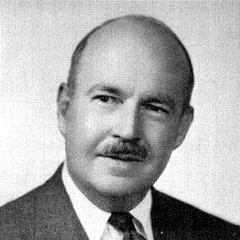
Talcott Parsons
Talcott Parsons (December 13, 1902 - May 8, 1979) was an influential American sociologist known for his structural functionalist theory. His work provided significant insights into understanding social structures, social change, and the functioning of social systems. more
You May Also Like
“It is the glory of God to conceal a thing: but the honour of kings is to search out a matter.”
“If you can sense the corruption in me, it is ... because there's a dose of it in you.”
Source: The Rector of Justin
Source: The Rector of Justin
Source: The Rector of Justin: A Novel