“Everything that is true is God's word, whoever may have said it.”
Quote by Huldrych Zwingli
Author
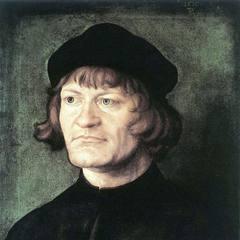
Huldrych Zwingli
Huldrych Zwingli was a Swiss reformer and theologian who played a significant role in the Protestant Reformation. He was a key figure in the Swiss Confederation and is known for his advocacy of reformation in the church. more
You May Also Like
“I went to a little liberal-arts college in Missouri called Truman State University.”
Source: What is Presbyterianism?: An Address Delivered Before the Presbyterian Historical Society at Their Anniversary Meeting in Philadelphia, on Tuesday Evening, May 1, 1855
Source: What is Presbyterianism? An Address
Source: What is Presbyterianism?: An Address Delivered Before the Presbyterian Historical Society at Their Anniversary Meeting in Philadelphia, on Tuesday Evening, May 1, 1855
Source: What is Presbyterianism?: An Address Delivered Before the Presbyterian Historical Society at Their Anniversary Meeting in Philadelphia, on Tuesday Evening, May 1, 1855
“That the apostolic office is temporary, is a plain historical fact.”
Source: What is Presbyterianism?: An Address Delivered Before the Presbyterian Historical Society at Their Anniversary Meeting in Philadelphia, on Tuesday Evening, May 1, 1855
Source: What is Presbyterianism? An Address
Source: What is Presbyterianism?: An Address Delivered Before the Presbyterian Historical Society at Their Anniversary Meeting in Philadelphia, on Tuesday Evening, May 1, 1855