“The thief steals from himself. The swindler swindles himself. For the real price is knowledge and virtue, whereof wealth and credit are signs. These signs, like paper money, may be counterfeited or stolen, but that which they represent, namely, knowledge and virtue, cannot be counterfeited or stolen.”
Quote by Ralph Waldo Emerson
Work
The Portable Emerson: New Edition
This volume includes a selection of Ralph Waldo Emerson's most influential works, offering readers insight into his philosophical and literary contributions. The essays and lectures cover a range of topics, including self-reliance, nature, and the importance of individuality. more
Author
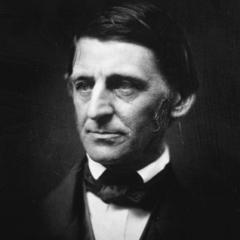
Ralph Waldo Emerson
American essayist, poet, and philosopher. Born on May 25, 1803, and died on April 27, 1882. Known for his transcendentalist philosophy, his works have had a profound impact on literature and the intellectual world. more
You May Also Like
Source: Society and Solitude: Twelve Chapters
Source: Essays and Lectures
Source: The Collected Works of Ralph Waldo Emerson: Nature, addresses, and lectures
“We know more from nature than we can at will communicate.”
Source: Nature
Source: Essays and English Traits by Ralph Waldo Emerson
Source: The Prose Works of Ralph Waldo Emerson
Source: Delphi Complete Works of Ralph Waldo Emerson (Illustrated)
Source: Emerson's Essays: Top Essays
Source: Culture, Behavior, Beauty