Quotessence
Home / Quotes / Quote by George Mason

Quote by George Mason

“That no man, or set of men, are entitled to exclusive or separate emoluments or privileges from the community, but in consideration of public services; which, not being descendible, neither ought the offices of magistrate, legislator, or judge to be hereditary.”

Quote by George Mason

Author
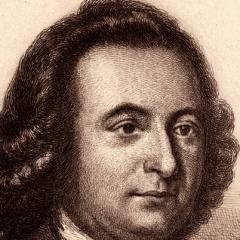
George Mason
George Mason

George Mason was an American statesman, lawyer, and writer, renowned for his profound contributions to constitutional freedoms and rights. Born on December 11, 1725, and died on October 7, 1792, Mason was a key figure in the drafting of the Virginia Constitution and played a significant role in the American Revolutionary War. more

You May Also Like

“That the legislative and executive powers of the State should be separate and distinct from the judiciary; and that the members of the two first may be restrained from oppression, by feeling and participating the burdens of the people, they should, at fixed periods, be reduced to a private station, return into that body from which they were originally taken, and the vacancies be supplied by frequent, certain, and regular elections, in which all, or any part of the former members, to be again eligible, or ineligible, as the laws shall direct.”

“That in all capital or criminal prosecutions a man bath a right to demand the cause and nature of his accusation, to be confronted with the accusers and witnesses, to call for evidence in his favor, and to a speedy trial by an impartial jury of twelve men of his vicinage, without whose unanimous consent he cannot be found guilty; nor can he be compelled to give evidence against himself; that no man be deprived of his liberty, except by the law of the land or the judgment of his peers.”

“That elections of members to serve as representatives of the people, in assembly, ought to be free; and that all men, having sufficient evidence of permanent common interest with, and attachment to, the community, have the right of suffrage, and cannot be taxed or deprived of their property for public uses, without their own consent, or that of their representives so elected, nor bound by any law to which they have not, in like manner, assembled, for the public good.”