Quotessence
Home / Quotes / Quote by Edgar Cayce

Quote by Edgar Cayce

“Who is blameless? Only those that blame no one for aught that is, has been or may be. Only in creating hope, life, understanding, harmony, does one become blameless. For, as you understand, they that would be loved must show themselves lovely; they that would have friends must be a friend to others. For in the manner you treat others, you treat your Lord. Let that light which has aroused you be alive, awakened. Condemn no one. And as you come seeking, know, understand, as you create same in the lives of others so is it reflected in your own.”

Quote by Edgar Cayce

Author
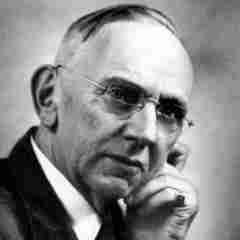
Edgar Cayce
Edgar Cayce

Edgar Cayce, born on March 18, 1877, was an influential American psychic. Known for his ability to provide insights into people's health, life issues, and historical events while in a trance-like state, Cayce gained a vast following during his lifetime. His work, which includes over 10,000 recorded readings and treatments, has had a significant impact on spiritual healing and the study of the mind. more

You May Also Like

“[from the television show,"Evade the Question Time"]At the end of the first round, I will award three points to Mr. Kaine for an excellent nonspecific condemnation, plus one bonus point for blaming the previous government and another for successfully mutating the question to promote the party line. Mr. van de Poste gets a point for a firm rebuttal, but only two points for his condemnation, as he tried to inject an impartial and intelligent observation.”

“But this is not difficult, O Athenians! to escape death; but it is much more difficult to avoid depravity, for it runs swifter than death. And now I, being slow and aged, am overtaken by the slower of the two; but my accusers, being strong and active, have been overtaken by the swifter, wickedness. And now I depart, condemned by you to death; but they condemned by truth, as guilty of iniquity and injustice: and I abide my sentence, and so do they. These things, perhaps, ought so to be, and I think that they are for the best.”

“The death agony of the barricade was about to begin.For, since the preceding evening, the two rows of houses in the Rue de la Chanvrerie had become two walls; ferocious walls, doors closed, windows closed, shutters closed. A house is an escarpment, a door is a refusal, a facade is a wall. This wall hears, sees and will not. It might open and save you. No. This wall is a judge. It gazes at you and condemns you. What dismal things are closed houses.”