“But this is not difficult, O Athenians! to escape death; but it is much more difficult to avoid depravity, for it runs swifter than death. And now I, being slow and aged, am overtaken by the slower of the two; but my accusers, being strong and active, have been overtaken by the swifter, wickedness. And now I depart, condemned by you to death; but they condemned by truth, as guilty of iniquity and injustice: and I abide my sentence, and so do they. These things, perhaps, ought so to be, and I think that they are for the best.”
Quote by Plato
Work
Apology, Crito and Phaedo of Socrates
The book delves into the philosophical musings of Socrates, exploring themes of justice, virtue, and the nature of the soul. It includes his defense against the charges of impiety and corruption, a conversation with his friend Crito about the moral obligations of a citizen, and a discussion on the immortality of the soul. more
Author
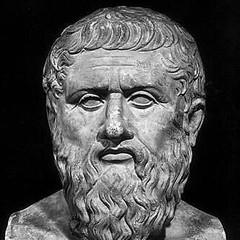
Plato
Plato (428 BC - 348 BC) was a prominent Greek philosopher, one of the most influential figures in Western philosophy. He founded the Academy, which was the first institution of higher education in the Western world. Plato's philosophy, centered around the theory of Forms, emphasized the importance of reason and morality. more
You May Also Like
Source: The God Delusion
Source: The Red and the Black
Source: Les Miserables Volume One
Source: Flight to Arras