“If any pale student, glued to his desk, here seek an apology for a way of life whose natural fruits is that pallid and emasculate scholarship of which New England has had too many examples, it will be far better that this sketch had not been written. For the student there is, in its season, no better place than the saddle, and no better companion than the rifle or the oar.”
Quote by Francis Parkman
Work
Letters of Francis Parkman
This book features a selection of letters written by Francis Parkman, an influential figure in American history and exploration. The letters provide insights into Parkman's personal experiences, historical observations, and intellectual pursuits during the 19th century. more
Author
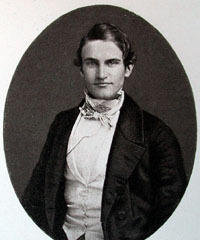
Francis Parkman
Francis Parkman was an American historian renowned for his in-depth research on the colonial period in North America and the French colonies. His works, such as 'The French and Indian War' and 'The Conquest of Peru by Pizarro,' have had a profound impact on subsequent historical research. more
You May Also Like
Source: Pioneers of France in the New World
Source: France and England in North America: Pioneers of France in the New World. The Jesuits of North America in the seventeenth century. La Salle and the discovery of the Great West. The old régime in Canada
Source: France and England in North America: Pioneers of France in the New World. The Jesuits of North America in the seventeenth century. La Salle and the discovery of the Great West. The old régime in Canada
Source: Pioneers of France in the New World
Source: The Works of Francis Parkman
Source: France and England in North America: Pioneers of France in the New World. The Jesuits of North America in the seventeenth century. La Salle and the discovery of the Great West. The old régime in Canada
Source: Pioneers of France in the New World
Source: Pioneers of France in the New World
Source: France and England in North America: Pioneers of France in the New World. The Jesuits of North America in the seventeenth century. La Salle and the discovery of the Great West. The old régime in Canada
Source: France and England in North America: Count Frontenac and New France under Louis XIV. A half-century of conflict. Montcalm and Wolfe