“A waste land lit by holy candles.”
Quote by Sean O'Casey
Work
The Letters of Sean O'Casey: 1942-54
This book is a compilation of letters written by the renowned Irish playwright Sean O'Casey between 1942 and 1954. The letters provide a candid look into his thoughts, experiences, and interactions with friends, family, and colleagues during a pivotal era in his life and career. The correspondence reflects O'Casey's perspectives on his work, the theater, and the social and political landscape of the time. more
Author
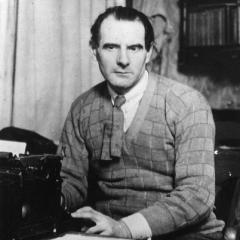
Sean O'Casey
Sean O'Casey (March 30, 1880 – September 18, 1964) was a renowned Irish dramatist known for his realistic portrayals of Dublin's working-class life and social conflicts. Born into a poor Protestant family, he experienced hardship early and engaged in labor and trade union activism. His major works include Juno and the Paycock, The Plough and the Stars, and The Silver Tassie. O'Casey's plays blend tragedy and comedy, reflecting the struggles of Irish independence and human nature. He later moved to England and continued writing until his death, leaving a lasting impact on 20th-century theater. more
You May Also Like
Source: Selected Letters of Edmund Burke
“Is not that state a warning and a judgment for our heavy sins as a nation?”
“Here is a shared memory that we didn't share, forgot to share, for almost ninety years.”