“We seem so frightened today of being alone that we never let it happen. Even if family, friends and movies should fail, there is still the radio or the television to fill up the void. Women, who used to complain of loneliness, need never be alone any more. We can do our housework with soap-opera heroes at our side. Even day-dreaming was more creative than this; it demanded something of oneself and it fed the inner life. Now, instead of planting our solitude with our own dream blossoms, we choke the space with continuous music, chatter and companionship to which we do not even listen. It is simply there to fill the vacuum. When the noise stops there is no inner music to take its place. We must re-learn to be alone.”
Quote by Anne Morrow Lindbergh
Author
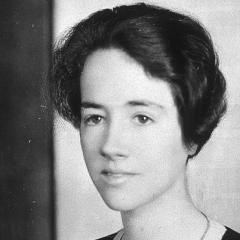
Anne Morrow Lindbergh
Anne Morrow Lindbergh was an accomplished American author known for her profound personal experiences and elegant literary style. Born on June 22, 1906, and passing away on February 7, 2001, she was not only Charles Lindbergh's wife but also an independent writer and thinker. Her writing career began in the 1930s, with works spanning novels, poetry, and prose. Her first book, 'We Are the Ship,' is a memoir about her life with her husband. Despite the challenges in her marriage, she remained passionate about life and writing. Her other notable works include 'Gift from the Sea' and 'The Aviator's Wife,' which delve into themes of female identity, marriage, and the deeper questions of human existence. Lindbergh's writing has been praised for its insightful observations and beautiful language. Her works have had a wide-reaching impact both in the United States and internationally, influencing subsequent writers and considered an important figure in 20th-century American literature. more
You May Also Like
Source: Lover Mine
Source: Villette
Source: The Wild Places
Source: Wild Game: My Mother, Her Lover, and Me
Source: Want
Source: The Love of Being Loving
Source: Love from A to Z
“Being alone in a marriage is worse than being alone.”
Source: The Christmas Cookie Club
Source: East of Eden