“Towards the end of the Second World War, when I was sixteen years old, I was taken out of school and forced into the army. After a brief period of training at a base in Wüzburg, I arrived at the front, which by that time had already crossed the Rhine into Germany. There were well over a hundred in my company, all of whom were very young. One evening the company commander sent me with a message to battalion headquarters. I wandered all night long through destroyed, burning villages and farms, and when in the morning I returned to my company I found only the dead, nothing but dead, overrun by a combined bomber and tank assault. I could see only dead and empty faces, where the day before I had shared childhood fears and youthful laughter. I remember nothing but a wordless cry. Thus I see myself to this very day, and behind this memory all my childhood dreams crumble away.”
Quote by Johann Baptist Metz
Work
A Passion for God: The Mystical-Political Dimension of Christianity
Browse quotes and source details for this work. more
Author
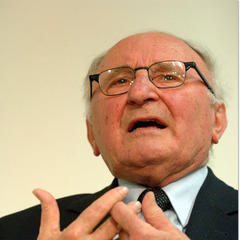
Johann Baptist Metz
Limited information is available about Johann Baptist Metz, who was born on August 5, 1928, and whose profession is unknown. more
You May Also Like
Source: Adopted for Life: The Priority of Adoption for Christian Families & Churches
Source: Memoria passionis: Ein provozierendes Gedächtnis in pluralistischer Gesellschaft
“+We suffer because it is the sad but necessary consequence of our ability to prevail.+”
Source: The End and the Death: Volume I
Source: Sa préférée
“Stop being the sole occupant in a house built of suffering.”
Source: Dear Memory: Letters on Writing, Silence and Grief
Source: Nazmahal: Palace of Grace