Quotessence
Home / Quotes / Quote by Oscar Wilde

Quote by Oscar Wilde

“But while there were times when I rejoiced in the idea that my sufferings were to be endless, I could not bear them to be without meaning. Now I find hidden somewhere away in my nature something that tells me that nothing in the whole world is meaningless, suffering least of all. That something hidden away in my nature, like a treasure in a field, Is Humility.”

Quote by Oscar Wilde

Work

De Profundis

De Profundis is a deeply personal and philosophical text that delves into the complexities of human emotions and the human condition. The author's exploration of love and betrayal is both intimate and profound, offering a unique perspective on spiritual and emotional turmoil. more

Author

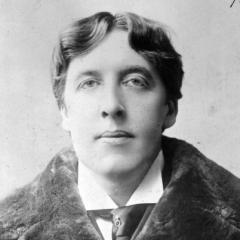
Oscar Wilde
Oscar Wilde

Oscar Wilde, born on October 16, 1854, in Ireland, and died on November 30, 1900, was a renowned Irish writer, playwright, and poet. His works are known for their wit, satire, and unique style, with notable works including 'The Picture of Dorian Gray' and 'Lady Windermere's Fan'. more

You May Also Like

“Disaster on an unfathomable scale is always taking place on Earth. Countless instances of extreme suffering are occurring in this moment — right now. Yet because this suffering is so normal and ordinary, simply occurring every day, distributed rather evenly over time and space, it seems less evocative and urgent than the more unusual, more localized disasters, such as school shootings and earthquakes. Almost all the suffering that occurs on Earth can be considered baseline horror, which allows us to ignore it. We simply do not feel the ever-present emergency that surrounds us.”

“I looked more widely around me. I looked at the lives of the multitudes who have lived in the past and who live today. And of those who understood the meaning of life I saw not two, or three, or ten, but hundreds, thousands and millions. And all of them, endlessly varied in their customs, minds, educations and positions, and in complete contrast to my ignorance, knew the meaning of life and death, endured suffering and hardship, lived and died and saw this not as vanity but good.”

“Suicidal thought is a symptom of illness, of something else gone wrong. Most suicides are not impulsive, spur -of-the-moment decisions at all. Instead, most of these deaths are the result of a person losing a long and painful battle against their own impaired thinking. A suicidal person is someone who is unable to tolerate their suffering any longer. Even if she does not really want to die, she knows death will end that suffering once and for all.”

“Jimmy and his activist friends were there to tell Bobby about the suffering that had scarred each black person in that room; that had scarred or killed people they loved; that had buried their communities in poverty; that had withheld their right to vote; that had lynched their grandfathers, raped their grandmothers, set the dogs on their children, called them “nigger” for daring to sit at a lunch counter; that had tried to deprive their children of education, their mothers of dignity in domestic labor, their fathers the dignity of being called “sir” and not “boy” at the age of 60. Bobby did not want the responsibility of bearing witness to their pain and their rage. Witness often exposes the unspoken claims of whiteness—its privilege to hide, its ability to deflect black suffering into comparatively sterile discussions of policy that take the heat off of “me” and put it on “that.”