Quotessence
Home / Quotes / Quote by Timothy Radcliffe

Quote by Timothy Radcliffe

“The third Preface for Easter tells us that Jesus is ‘still our priest, our advocate who always pleads our cause. Christ is the victim who dies no more, the Lamb once slain who lives forever.’ The original Latin is more paradoxical: Jesus is ‘agnus qui vivit semper occisus’; the lamb who lives forever slain.’ If the risen Lord did not still have his wounds, then he would not have much to do with us now. The resurrection might promise us some future healing and eternal life, but it would leave us now alone in our present hurting. But because of Easter Day we already share in the victory. He still shares our wounds and we share his victory of death. We too are now wounded and healed. When Brian Pierce OP first went to Peruvian Andes, he was surprised by the ubiquitous images of the crucified Christ, covered with blood. It seemed as if the faith of these indigenous people stopped prior to the resurrection and they were left only with images of defeat. But he learned that he was wrong. These crosses are signs of how the risen Christ is now sharing their crucifixion. We can have courage and risk getting hurt. Charles Peguy, the French writer, told the story of a man who died and went to heaven. When he met the recording angel he was asked, ‘Show me your wounds.’ And he replied, ‘Wounds? I have not got any.’ And the angel said, ‘Did you never think that anything was worth fighting for?”

Quote by Timothy Radcliffe

Work

What is the Point of Being a Christian?

This book examines the relevance of Christian faith and practice in contemporary society. It addresses common questions about the value of religious belief, the role of community, and the ethical implications of following Christianity. The author discusses how Christian teachings can provide guidance, meaning, and a sense of purpose, while also considering challenges and criticisms faced by believers today. The work aims to offer a balanced perspective on the practical and spiritual benefits of living a Christian life. more

Author
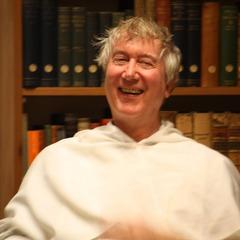
Timothy Radcliffe
Timothy Radcliffe

Timothy Radcliffe is a renowned priest, born in 1945. He has a profound understanding of Christian theology and has spread Christian teachings globally. more

You May Also Like

“Knowing we are valuable to God means we will care for wounds as we discover them. It means we will submit to the whole healing process, even the painful parts that feel like antiseptic or physical therapy. It means we will not pretend hard things don't hurt or emotions aren't real or death doesn't sting. It means we will weep when we're sad, laugh when we feel joy, have silence when we don't have words, and shout when it's right. It means we will acknowledge our own grief and attend to it. It means each generation becomes a little more healed and whole as we go, until the whole world is reconciled to Christ in wholeness.”

“I lied," the dragon said with a fearful complacency. "Everyone you have ever met has lied to you. Life exists, and all who live are born to suffer. The best moments are fleeting and bought with the coin of exquisite torment. All attachments end. All loved ones die. All that you value passes away. In such a vexatious existence laughter is madness and joy is folly. Shall we accept that it all happens for no reason, with no cause? That there is nobody to blame but ourselves but that accepting the responsibility is pointless for doing so cannot ease, defer, or deaden the pain? Not likely! It is so much more comforting to erect a straw figure on which to blame it all. "Some bow down before the Goddess and others curse her every name. There is not a fart's difference between the two approaches. They cling to the fiction of the Goddess because admitting the alternative is unbearable." "Then what—why—what do you want me for?" To her dismay, tears coursed down Jane's face. Oh how Melanchthon must be enjoying this, she thought. What satisfaction it must give him. "You've toyed with me, made promises, gone through Hell-knows-what machinations to bring me here. Why? What's the point of it?" "I want your help to destroy the universe.”

“This was a back that had carried the pain of others until it had become impossible for her bones to unbend themselves, like certain saplings will become permanently twisted under the force of windstorms. I thought of Hawa, whether it was this slow bending she had tried to escape with her linen wings, and whether there was any mercy in the world for those who decline to carry the burdens they are assigned to carry. My mother's back and mine were made from the same mold. Our spines were fashioned for bearing and bending and bowing and burying. Our backs had been honed over generations for the thankless labor of woman. They had never been made for wings.”