Quotessence
Home / Quotes / Quote by Tara Brown

Quote by Tara Brown

“They don't know those places in me. Only he does. Only he has seen the darkness inside of me and turns into love and light.”

Quote by Tara Brown

Work

The Lonely

Browse quotes and source details for this work. more
Author

Tara Brown
Tara Brown

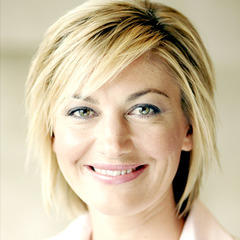
Born in 1968, Tara Brown is a well-known television presenter. She has gained the affection of viewers with her professional hosting style and warmth throughout her career. Brown has hosted various television programs, earning praise for her in-depth discussions and unique insights on a wide range of topics. more

You May Also Like

“LXXIX When I die, I want your hands on my eyes. I want the light and wheat of your beloved hands to pass their freshness over me once more. I want to feel the softness that changed my destiny. I want you to live while I wait for you, asleep. I want your ears still to hear the wind, I want you to sniff the sea's aroma that we loved together, to continue to walk on the sand we walk on. I want what I love to continue to live, and you whom I love and sang above everything else. to continue to flourish, full-flowered. So that you can reach everything my love directs you to. So that my shadow can travel along in your hair, so that everything can learn the reason for my song.”

“I suppose there has been nothing like the airports since the age of the stage-stops - nothing quite as lonely, as sombre-silent. The red-brick depots were built right into the towns they marked - people didn't get off at those isolated stations unless they lived there. But airports lead you way back in history like oases, like the stops on the great trade routes. The sight of air travellers strolling in ones and twos into midnight airports will draw a small crowd any night up or two. The young people look at the planes, the older ones look at the passengers with a watchful incredulity.”

“The moon seemed to veil herself before the bold looks of Satan. The night was cold. All the doors were closed, all the windows darkened. and the streets deserted. From their appearance, one would have imagined that, for a long time past no foot had traversed those silent streets. Everything around us bore a death-like aspect. It seemed as if, when day came, no one would open their doors; that no head, of woman or of child, would look out of those dark, dull windows; that no step would break the silence which fell, like a pall, upon all around. I seemed to be walking in a city which had been buried some ages. In truth, the town seemed to have been depopulated, and the cemetery to have grown full. Still we went forward, without hearing a murmur, or meeting even with a shadow. The street stretched for a long way across this fearful city of silence and repose. At last we reached my house. 'You remember it?' said the fiend. 'Yes,' replied I, sullenly, 'let us enter.' 'First,' said he, 'we must open the door. It is I, by the way, who invented the science of opening doors without breaking them in. In fact, I have a second key to all doors and gates - with one exception - that of Paradise!”

“After Bajju delivered a few beaming salutations, we walked northward up the makeshift, winding path through protruding brush, not much but a few stones placed here and there for balance and leverage upon ascending or descending. Having advanced about hundred steps from the street below, a sharp left leads to Bajju’s property, which begins with his family’s miniature garden – at the time any signs of fertility were mangled by dried roots which flailed like wheat straw, but within the day Bajju’s children vehemently delivered blows with miniature hoes in preparation for transforming such a plot into a no-longer-neglected vegetable garden. A few steps through the produce, or preferably circumventing all of it by taking a few extra steps around the perimeter, leads to the sky-blue painted home. Twisting left, hundreds of miles of rolling hills and the occasional home peeps out, bound below by demarcated farming steppes. If you’re lucky on a clear day and twist to the right, the monstrous, perpetually snow-capped Chaukhamba mountain monopolizes the distance just fifteen miles toward the direction of Tibet in the north.”