Quotessence
Home / Quotes / Quote by Antonio Tabucchi

Quote by Antonio Tabucchi

“Beh, disse la signora Delgado, lei è un intellettuale, dica quello che sta succedendo in Europa, esprima il suo libero pensiero, insomma faccia qualcosa. Sostiene Pereira che avrebbe voluto dire molte cose. Avrebbe voluto rispondere che sopra di lui c’era il suo direttore, il quale era un personaggio del regime, e che poi c’era il regime, con la sua polizia e la sua censura, e che in Portogallo tutti erano imbavagliati, insomma che non si poteva esprimere liberamente la propria opinione, e che lui passava la giornata in una misera stanzuccia in Rua Rodrigo la Fonseca, in compagnia di un ventilatore asmatico e sorvegliato da una portiera che probabilmente era una confidente della polizia. Ma non disse niente di tutto questo, Pereira, disse solo: farò del mio meglio, signora Delgado, ma non è facile fare del proprio meglio in un paese come questo per una perdona come me, sa, io non sono Thomas Mann, sono solo un oscuro direttore della pagina culturale di un modesto giornale del pomeriggio, faccio qualche ricorrenza di scrittori illustri e traduco racconti dell’Ottocento francese, di poi non si può fare. Capisco, replicò la signora Delgado, ma forse tutto si può fare, basta averne la volontà. Pereira guardò fuori dal finestrino e sospirò.”

Quote by Antonio Tabucchi

Work

Sostiene Pereira

Browse quotes and source details for this work. more

Author
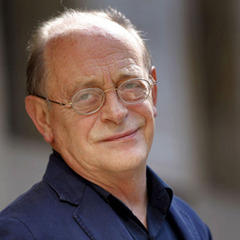
Antonio Tabucchi
Antonio Tabucchi

Antonio Tabucchi was an Italian writer known for his unique literary style and profound philosophical thinking. His works spanned across various genres including novels, essays, and translations, and he was a significant figure in Italian literature from the late 20th to the early 21st century. more

You May Also Like

“Ali kakve veze ima Stendal sa psihičkim poremećajem? Stendal je najslavniji primer slične nedaće, i zato je izabran kao paradigma. Francuski pisac je zapravo u svom putopisu u Italiji, opisao slabost koja ga je obuzela upravo u Firenci, prilikom posete bazilici Santa Kroče. Godina je 1817; Stendal, pošto se dolazeći iz Bolonje spustio sa Apenina, ulazi u Firencu kroz kapiju San Galo i odmah odlazi u baziliku. U brdima, tokom noći, kočiju u kojoj je putovao napali su razbojnici koji verovatno nisu bili na nekom zavidnom estetskom nivou. Pred bazilikom njegovo srce mahnito lupa. Preplavljuje ga snažno osećanje izazvano atmosferom duboke religioznosti u crkvi, njenim pročeljem i grobnicama slavnih ljudi. Na kraju, u pratnji jednog opata odlazi u kapelu Nikolini, gde ostaje da posmatra Volteranove Sibile. U tom trenutku javlja se slabost. Stendal beleži: "Kao omađijan posmatrao sam veličanstvenu lepotu, gledao sam je izbliza, dodirivao sam je, da tako kažem. Dosegao sam onu tačku duševnog stanja na kojoj se susreću božanski čulni osećaji koje umetnost pruža i najstrastvenija osećanja. Kada sam izašao iz bazilike srce mi je udaralo snažnim damarima, to u Berlinu zovu "živcima": osećao sam kako iz mene ističe život, hodao sam u strahu da se ne srušim." Ali "turista" Stendal ume da se nosi sa slabošću koja ga je obuzela, njegova kultura mu daje protivotrov koji mu pomaže da se izleči: "Seo sam na jednu od klupa na trgu Santa Kroče; s uživanjem sam ponovo pročitao one Foskolove stihove koje nosim u lisnici ne obazirući se na njihovu mestimičnu nesavršenost: bio mi je potreban prijatelj s kojim ću podeliti svoje duševno stanje". Stendal nosi sa sobom stihove "Grobova" u kojima Foskolo opeva grobove italijanskih velikana: i upravo u trenutku kada ga obizima snažan osećaj bola on traži neki umirujući znak (prijatelja) u kojem će se ogledati da bi podelio to osećanje, obuzdao ga i jezički izrazio.”

“For some reason, the sight of snow descending on fire always makes me think of the ancient world – legionaries in sheepskin warming themselves at a brazier: mountain altars where offerings glow between wintry pillars; centaurs with torches cantering beside a frozen sea – scattered, unco-ordinated shapes from a fabulous past, infinitely removed from life; and yet bringing with them memories of things real and imagined. These classical projections, and something in the physical attitudes of the men themselves as they turned from the fire, suddenly suggested Poussin’s scene in which the Seasons, hand in hand and facing outward, tread in rhythm to the notes of the lyre that the winged and naked greybeard plays. The image of Time brought thoughts of mortality: of human beings, facing outwards like the Seasons, moving hand in hand in intricate measure: stepping slowly, methodically, sometimes a trifle awkwardly, in evolutions that take recognisable shape: or breaking into seeminly meaningless gyrations, while partners disappear only to reappear again, once more giving pattern to the spectacle: unable to control the melody, unable, perhaps, to control the steps of the dance.”

“Always support younger writers, and do all you can to nourish that spirit of creativity, and original risk. The unique manner of literary innovation that younger writers may engage in, ultimately is priceless. Writers, poets and authors are the spokespersons for ours and the next generations. Support them, mentor them, protect them from the viciousness of popular opinion, which is generally nothing more than censorship wearing the cloak of righteous indignation.”

“Imagine you are a reader perusing reviews of a brand new title to decide if that book is right for you. All the reviews are positive, glowing reports, and you purchase the book feeling confident it’s a winner based on the high ratings it’s sporting. Then after reading it, your excitement and warm fuzzy feelings over the title (and those reviews) have vanished. We must not have read the same book, you begin to wonder. So you go back and look at the reviews again. Now there are several low reviews posted— ARCs that were previously held back. And low and behold, the less than stellar reviews point to the same issues you had. Don’t you feel duped? You should because under this scenario the review system didn't give you an ample sampling of varied opinions.”