“God forgives not with a decree but with a caress. Jesus too goes beyond the law and forgives by caressing the wounds of our sins.”
Quote by Pope Francis
Work
The Name of God is Mercy
This book delves into the concept of mercy as a cornerstone of Islamic faith, examining its role in the teachings and practices of the religion. It provides a comprehensive look at the various aspects of mercy, from its historical and theological foundations to its practical implications in personal and communal life. The author offers a unique perspective on the concept, drawing on both traditional Islamic sources and contemporary examples, to illustrate the profound impact of mercy in the lives of believers. more
Author
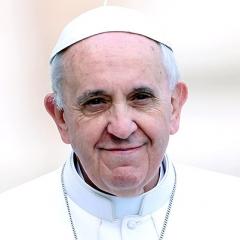
Pope Francis
Pope Francis, born Jorge Mario Bergoglio on December 17, 1936 in Buenos Aires, Argentina, is the 266th Pope of the Catholic Church. Elected on March 13, 2013, he is the first pope from the Americas, the Southern Hemisphere, and the Jesuit order. Known for his humility, focus on the poor, and social justice, he advocates for church reform, environmental protection, and interfaith dialogue. His papacy addresses global issues like the COVID-19 pandemic and migration crises. more
You May Also Like
Source: A Chorus of Voices: DUET stories Volume III - Adult Version
“As all our senses are the inlets of sin, so they are become the inlets of sorrow (99).”
Source: The Saints' Everlasting Rest
Source: The Saints' Everlasting Rest
Source: The Saints' Everlasting Rest
Source: The Saints' Everlasting Rest
“The strongest Christian is unsafe among occasions to sin (519).”
Source: The Saints' Everlasting Rest