“The frost which kills the harvest of a year, saves the harvests of a century, by destroying the weevil or the locust. Wars, fires, plagues, break up immovable routine, clear the ground of rotten races and dens of distemper, and open a fair field to new men. There is a tendency in things to right themselves, and the war or revolution or bankruptcy that shatters a rotten system, allows things to take a new and natural order. The sharpest evils are bent into that periodicity which makes the errors of planets, and the fevers and distempers of men, self-limiting. Nature is upheld by antagonism. Passions, resistance, danger, are educators. We acquire the strength we have overcome. Without war, no soldier; without enemies, no hero.”
Quote by Ralph Waldo Emerson
Work
The Conduct of Life: By Ralph Waldo Emerson
Browse quotes and source details for this work. more
Author
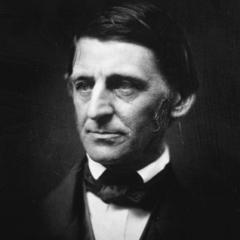
Ralph Waldo Emerson
American essayist, poet, and philosopher. Born on May 25, 1803, and died on April 27, 1882. Known for his transcendentalist philosophy, his works have had a profound impact on literature and the intellectual world. more
You May Also Like
Source: Galápagos
Source: Eumeswil
“no one asks poor people if they want war.”
Source: The Sympathizer
“A dead eagle he might have buried, but he had chosen rather to light a fire for a phoenix.”
Source: A Bloody Field by Shrewsbury
Source: Allegiance
Source: Dispatches
Source: For Whom the Bell Tolls
Source: The True Story of Hansel and Gretel