Quotessence
Home / Quotes / Quote by Confucius

Quote by Confucius

“知之者不如好之者,好之者不如樂之者。” “Knowing it does not compare with loving it; loving it does not compare with delighting in it.”

Quote by Confucius

Work

The Analects

The Analects is a foundational text of Confucianism, compiling the sayings and thoughts of the ancient Chinese philosopher Confucius. It covers a range of topics including moral philosophy, governance, and social conduct. more
Author

Confucius
Confucius

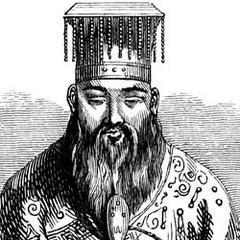
Confucius, also known as Kong Qiu or Zhongni, was a great philosopher, educator, and politician during the Spring and Autumn period of ancient China. He advocated for benevolence, rule of propriety, and the doctrine of the mean, and his thoughts have had a profound impact on Chinese and world culture. more

You May Also Like

“When your trust has been betrayed, the only thing to do is live, learn and let go. Otherwise the betrayal done by another will turn into hate for them. But they will not feel this hate, it will only hurt you more, growing bigger and darker. So, live, learn and let go. By living, it means they did not hurt you so deep that you can not move forward. Learn, learn to not trust this person again, and to make more of a sound judgement in the future. Letting go doesn’t mean forgetting. It means that you have let go of the pain it caused. And by not forgetting, you will learn and move forward from the betrayal of the past.”

“And this is the sense of the word "grammar" which our inaccurate student detests, and this is the sense of the word which every sensible tutor will maintain. His maxim is "a little, but well"; that is, really know what you say you know: know what you know and what you do not know; get one thing well before you go on to a second; try to ascertain what your words mean; when you read a sentence, picture it before your mind as a whole, take in the truth or information contained in it, express it in your own words, and, if it be important, commit it to the faithful memory. Again, compare one idea with another; adjust truths and facts; form them into one whole, or notice the obstacles which occur in doing so. This is the way to make progress; this is the way to arrive at results; not to swallow knowledge, but (according to the figure sometimes used) to masticate and digest it.”