“The assumption, which served Gandhi so well in dealing with individuals, that all human beings are more or less approachable and will respond to a generous gesture, needs to be seriously questioned. It is not necessarily true, for example, when you are dealing with lunatics. Then the question becomes: Who is sane? Was Hitler sane? And is it not possible for one whole culture to be insane by the standards of another?”
Quote by George Orwell
Work
Reflections on Gandhi
Browse quotes and source details for this work. more
Author
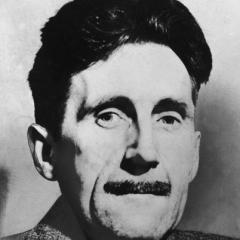
George Orwell
George Orwell, born Eric Arthur Blair, was a British novelist and political critic. Known for his sharp social criticism and profound insights into totalitarianism, Orwell is best remembered for his novels '1984' and 'Animal Farm', which remain influential to this day. more
You May Also Like
Source: An Orchestra of Minorities
Source: Children of Time
Source: The Fate of Fenella
Source: The Timeworn Messenger: The Moksa Trilogy Book II
Source: Dari Rue Saint Simon ke Jalan Lembang
“When men feel small they are dangerous.”
Source: Wake, Siren: Ovid Resung
Source: La Duchesse de Langeais / La Fille aux yeux d'or
“Hell is crammed full of godly men.”
Source: Father of Lies