“Along with the concept of American Dream runs the notion that every man and woman is entitled to an opinion and to one vote, no matter how ridiculous that opinion might be or how uninformed the vote. It could be that the Borderer Presbyterian tradition of "stand up and say your rightful piece" contributed to the American notion that our gut-level but uninformed opinions are some sort of unvarnished foundational political truths. I have been told that this is because we redneck working-class Scots Irish suffer from what psychiatrists call "no insight".Consequently, we will never agree with anyone outside our zone of ignorance because our belligerent Borderer pride insists on the right to be dangerously wrong about everything while telling those who are more educated to "bite my ass!”
Quote by Joe Bageant
Work
This book offers a personal account of the author's journey alongside a conservative hunter, reflecting on the cultural and political tensions prevalent in contemporary America. The narrative delves into the complexities of class dynamics and the author's own evolving perspectives on these issues. more
Author
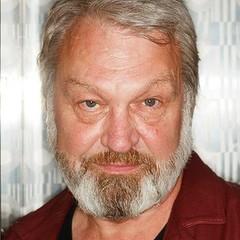
Joe Bageant was an American author known for his insightful observations on the lives of the American middle class and rural America. His works often focused on social and political issues, particularly the struggles of the rural regions. Born in 1946, he passed away on March 26, 2011. more
You May Also Like
“Being different from each other doesn’t necessarily mean you can’t get along.”
“Come back to his house, and you’ll leave in a hearse.”
“Your worst sin is that you have destroyed and betrayed yourself for nothing.”
“You can’t expect to go both ways when you’re driving on a one-way street.”