Quotessence
Home / Quotes / Quote by Blaise Pascal

Quote by Blaise Pascal

“Δύο υπερβολές : ν' αποκλείουμε το Λόγο, και να μη δεχόμαστε παρά μόνο το Λόγο.”
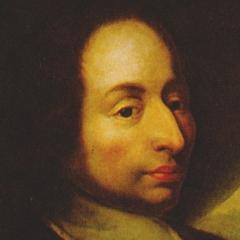
Quote by Blaise Pascal

Work

Pensées

Pensées is a collection of Pascal's thoughts and reflections on various philosophical, religious, and scientific topics. more

Author

Blaise Pascal
Blaise Pascal

Blaise Pascal was a French mathematician, physicist, philosopher, and theologian. He was born on June 19, 1623, and died on August 19, 1662. Pascal's contributions to mathematics were particularly significant, with groundbreaking work in probability theory, analytical geometry, and early calculus. more

You May Also Like

“I tak samo jak ojciec, dziad i pradziad będzie kiedyś harować jak wół na tym nędznym skrawku ziemi leżącej nad ciemnym morzem, a potem umrze jak zwierzę. Lecz Chrystus nie umarł za pięknych i dobrych. Łatwo jest umierać za pięknych i dobrych, trudno za nędznych i znieprawionych - zrozumiałem to jasno w tamtej chwili.”

“Dying is the most intimate act we will undertake. It requires us to be intimate with ourselves, our bodies, our lives, and with the present moment - to reveal the parts we believe are difficult to love, the face beneath the mask we wear for the outside world, and the squishy parts that bear wounds and form scars. Everything else is a show. To be helped is to die a small death of the ego. To allow love in is an invitation to allow our messy human glory to take front stage, and let love pour into those places that have been beaten down by the ego and the outside world.”

“No wonder death makes us so uncomfortable. We can't gather much informaiton about it, and gathering information is what makes us feel safe. Thinking about death drives us directly into the discomfort of "I don't know." In my work supporting people through dying, I meet many who cling to what they think they can control, to avoid surrendering to life's biggest "I Don't know.”

“We can spend our lives fretting about our deaths, or we can use our brief time to sink deeper into the experience of being human, for all it entails. The good, the tricky the impermanent. We can acknowledge that our death will one day come and use that knowledge to create a life so whole, so honest, so juicy, that it is worth leaving.”