“We have to examine the extent to which we export poverty to other societies. When we decide that we will import products from China that are produced by people earning less than a dollar an hour, and grant their country most-favored-nation status (political contributions notwithstanding), we are deciding to make American workers who must earn the minimum wage compete with them. I am not suggesting that we close the doors to China or to Mexico, but I am suggesting that we look very carefully at the web of international relationships that we are creating. At the very minimum, we should understand that we have two choices in our country: we can raise world living standards by exporting those standards, or we can lower living standards- not only the world’s but also our own- by deciding that it is acceptable for the products of exploited labor to enter this country.”
Quote by Julianne Malveaux
Author
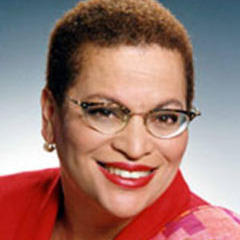
Julianne Malveaux
Julianne Malveaux is an accomplished economist, born on September 22, 1953. She has extensive research and teaching experience in the field of economics, particularly in issues related to race, gender, and poverty. Professor Malveaux has held teaching positions at several universities and has authored numerous publications on economic and social issues. more
You May Also Like
“She missed -- without knowing what she missed-- paints and crayons”
Source: The Bluest Eye
Source: Economics in One Lesson
Source: Economics in One Lesson
Source: Land of Milk and Honey
Source: The Struggle Is One: Voices and Visions of Liberation
Source: The Merchant of Venice
Source: The Street
Source: Down in New Orleans: Reflections from a Drowned City
Source: Clare