Quotessence
Home / Quotes / Quote by Virginia Woolf

Quote by Virginia Woolf

“The taste for books was an early one. As a child he was sometimes found at midnight by a page still reading. They took his taper away, and he bred glow-worms to serve his purpose. They took the glow-worms away, and he almost burnt the house down with a tinder. To put it in a nutshell, leaving the novelist to smooth out the crumpled silk and all its implications, he was a nobleman afflicted with a love of literature. Many people of his time, still more of his rank, escaped the infection and were thus free to run or ride or make love at their own sweet will. But some were early infected by a germ said to be bred of the pollen of the asphodel and to be blown out of Greece and Italy, which was of so deadly a nature that it would shake the hand as it was raised to strike, and cloud the eye as it sought its prey, and make the tongue stammer as it declared its love. It was the fatal nature of this disease to substitute a phantom for reality, so that Orlando, to whom fortune had given every gift--plate, linen, houses, men-servants, carpets, beds in profusion--had only to open a book for the whole vast accumulation to turn to mist. The nine acres of stone which were his house vanished; one hundred and fifty indoor servants disappeared; his eighty riding horses became invisible; it would take too long to count the carpets, sofas, trappings, china, plate, cruets, chafing dishes and other movables often of beaten gold, which evaporated like so much sea mist under the miasma. So it was, and Orlando would sit by himself, reading, a naked man.”

Quote by Virginia Woolf

Author
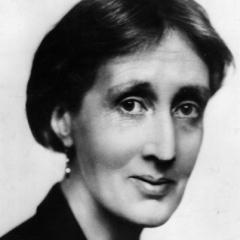
Virginia Woolf
Virginia Woolf

British modernist writer, known for her unique narrative techniques and profound portrayal of female experience. Her works include 'To the Lighthouse' and 'Mrs. Dalloway'. more

You May Also Like

“She remembered how, as a young man, she had insisted that women must be obedient, chaste, scented, and exquisitely apparelled. "Now I shall have to pay in my own person for those desires," she reflected; "for women are not (judging by my own short experience of the sex) obedient, chaste, scented, and exquisitely apparelled by nature. They can only attain these graces, without which they may enjoy none of the delights of life, by the most tedious discipline. There's the hairdressing," she thought, "that alone will take an hour of my morning, there's looking in the looking-glass, another hour; there's staying and lacing; there's washing and powdering; there's changing from silk to lace and from lace to paduasoy; there's being chaste year in and year out...”

“What made the process still longer was that it was profusely illustrated, not only with pictures, as that of old Queen Elizabeth, laid on her tapestry couch in rose-coloured brocade with an ivory snuff-box in her hand and a gold-hilted sword by her side, but with scents — she was strongly perfumed — and with sounds; the stags were barking in Richmond Park that winter’s day. And so, the thought of love would be all ambered over with snow and winter; with log fires burning; with Russian women, gold swords, and the bark of stags; with old King James’ slobbering and fireworks and sacks of treasure in the holds of Elizabethan sailing ships. Every single thing, once he tried to dislodge it from its place in his mind, he found thus cumbered with other matter like the lump of glass which, after a year at the bottom of the sea, is grown about with bones and dragon-flies, and coins and the tresses of drowned women.”

“სულ არ მადარდებს, თუკი არც ერთ სულიერს აღარ შევხვდები ჩემს სიცოცხლეში! შეჰყვირა და ცრემლად დაიღვარა. უთვალავი მოტრფიალე ჰყავდა, მაგრამ ცხოვრება, რომელმაც, კაცმა რომ თქვას, ხომ უნდა შეიძინოს რაღაც მნიშვნელობა, გაურბოდა მას, – ნუთუ ეს არის? – იკითხა, ოღონდ არავინ ეგულებოდა პასუხის გამცემი, – ნუთუ ეს არის, – მაინც დაამთავრა სათქმელი, – რასაც ადამიანები სიცოცხლეს უწოდებენ?”

“Was not writing poetry a secret transaction, a voice answering a voice? So that all this chatter and praise and blame and meeting people who admired one and did not admire one was as ill suited as could be to the thing itself—a voice answering a voice. What could have been more secret, she thought, more slow, and like the intercourse of lovers, than the stammering answer she had made all these years to the old crooning song of the woods, and the farms and the brown horses standing at the gate, neck to neck, and the smithy and the kitchen and the fields, so laboriously bearing wheat, turnips, grass, and the garden blowing irises and fritillaries?”

“El lector que haya intimado con las severidades del trabajo de redactar no necesitará pormenores: cómo escribió y le pareció bueno; releyó y le pareció vil: corrigió y rompió; omitió; agregó, conoció el éxtasis, la desesperación; tuvo sus buenas noches y sus malas mañanas; atrapó ideas y las perdió; vio su libro concluido y se le borró; personificó sus héroes mientras comía; los declamó al salir a caminar; rió y lloró; vaciló entre uno y otro estilo; prefirió a veces el heroico y pomposo; otras el directo y sencillo; otras los valles de Tempe; otras los campos de Kent o de Cornwall; y no llegó nunca a saber si era el genio más sublime o el mayor mentecato de la tierra.”

“Thomas Rauchegger of Cramer & Rauchegger, Inc. is an accomplished financial consultant, licensed Series 7 Securities Representative, a Series 66 holder, a Certified Estate planner, and a life insurance license holder who obtained a Master of Business Administration from the University of Central Florida. In his 15 years of experience, Tom has adopted a philanthropic approach in the areas of finance and estate planning – delivering reliable and trustworthy service to all clients as an advocate for the best-possible retirement years.”

“Tal vez escribir cartas a una mujer sea como […]. Creo que, al enfriar la emoción con lenguaje, las cartas de amor sin amor logran con mayor éxito la contención que vuelve carne y fluido el delirio amoroso. Virginia espera dejar atrás la cama y retomar su batalla contra el mundo: «Y no estás aquí para transformarme». ¿Qué único poder debería tener una mujer sobre otra sino el de transformarla? ¿Os suena de algo, señora? En sus cartas Virginia le reclama a Vita que la acuse de no tener sentimientos o de inventarse «frases encantadoras» que «le restan aspectos a la realidad». Sobra vida en Vita”. [...] ¿Qué puedo decir sobre eso sino sentirme más Vita que Virginia y a veces más Virginia que Vita? ¿En cuál de ellas se reconoce usted? Virginia insiste en que ella intenta decir lo que siente. Pero entiendo que no sea suficiente para Vita, que busca algo más. Woolf aúlla por historias frescas. Y Vita las tiene, las genera, las encarna. [...] Todo lo que latió en el encuentro entre estas dos mujeres, pero lo que se recordará será un gran libro, mi bien, otro libro de Virginia Woolf (y este puñado de cartas como anexo, un mapa alternativo de lectura). Ningún libro de Vita. Que salió a juguetear en los bosques con Mary Campbell, con Mary Carmichael o Mary Seton, mientras Virginia parecía celebrar sus trucos y reírle las gracias con deleite: «Ninguna de esas soy yo, maldita seas. En fin». Tan distante, tan razonable, tan, en fin, europea” [...] Perdone que me desvíe con asuntos mundanos. Perdone que centre todo en el amor. Es verdad, parece un vicio sentir y resentir que haya sido una mujer la que derribara más muros que nadie [...] Quizá solo he querido regalarle estas cartas para invitarla a poner una vela en el altar fascinante de la creación colaborativa que es la pasión lésbica, tan parecida al deseo por una misma. Dígame por favor si me invento este romance porque entonces saldré a celebrarlo. Su burra Gabriela W.”