“The necessity of reform mustn’t be allowed to become a form of blackmail serving to limit, reduce, or halt the exercise of criticism. Under no circumstances should one pay attention to those who tell one: “Don’t criticize, since you’re not capable of carrying out a reform.” That’s ministerial cabinet talk. Critique doesn’t have to be the premise of a deduction that concludes, “this, then, is what needs to be done.” It should be an instrument for those for who fight, those who resist and refuse what is. Its use should be in processes of conflict and confrontation, essays in refusal. It doesn’t have to lay down the law for the law. It isn’t a stage in a programming. It is a challenge directed to what is.”
Quote by Michel Foucault
Work
The Essential Foucault: Selections from the Essential Works of Foucault, 1954-1984
Browse quotes and source details for this work. more
Author
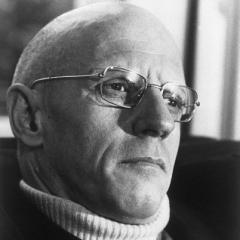
Michel Foucault
Michel Foucault was a French philosopher known for his critical analysis of knowledge, power, and discourse. His work covered a wide range of topics, including madness, prisons, sexuality, archaeology of knowledge, and biopolitics. Foucault's ideas have had a profound impact on postmodernism, critical theory, and cultural studies. more
You May Also Like
Source: Call Me by Your Name
Source: Foundation and Empire
Source: The Episodes of Vathek
“Church is too often the most risky place to be spiritually honest.”
Source: The Sin of Certainty: Why God Desires Our Trust More Than Our "Correct" Beliefs
Source: The Theory of Moral Sentiments
“I got over shy a really long time ago. I'm queer, I'm feline, get used to it.”
Source: Bloodlines