“Come devono essere tristi, quei figli unici. Crescere in una casa piena di adulti, sempre in minoranza, sempre sconfitti, nemmeno un po' di quella stupidità sfrenata, niente scherzi da poter ripetere cento volte, nessuno con cui cantare, nessuno con cui litigare, nessuno con cui fare il principe, o lo schiavo [...] in seguito, quando i genitori cadono in disgrazia e diventano essere umani incasinati e banali e si trasformano pian piano da persone che si prendono cura di te in individui di cui ci si deve prendere cura, chi ci sarà ad affrontare con te quelle crescenti frustrazioni, a riflettere sulle migliaia di dettagli insignificanti di quella soap opera a lungo condivisa che non significa nulla per gli altri? E quando infine se ne saranno andati, chi si rivolgerà a te dicendoti: «Sì, mi ricordo il cavalluccio a dondolo rosso... sì, mi ricordo il letto immaginario sotto il biancospino»?”
Quote by Mark Haddon
Work
Browse quotes and source details for this work. more
Author
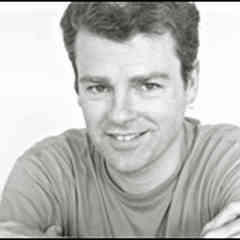
Mark Haddon is a renowned British novelist known for his unique narrative style and profound psychological insights. His works often explore complex human nature and social issues from a child's perspective. Born on September 26, 1962, in the United Kingdom, his debut novel 'The Curious Incident of the Dog in the Night-Time' was published in 2003 and received widespread acclaim. more
You May Also Like
“We get used to reaching outside ourselves for comfort, but self-empathy is an inside job.”
“...I’m not going anywhere. Remember, I promised. I’m yours now, forever.”
“You're it for me. I want to be with you forever. I want you to be mine.”
“Don't you dare counsel me. A cause isn't love, Penelope. Love breaks you wide open.”
“Employees are savvy. They know the difference between disguising and remedying unfairness at work”