“In this respect the differences between the USA and the USSR are those of evangelical dinosaurs competing for domination on one small planet: the first deifies Jesus Christ, the other Karl Marx. Neither has much practical interest in what those two sincere and hard-working fellows actually preached.”
Quote by Edward Abbey
Work
Postcards from Ed: Dispatches and Salvos from an American Iconoclast
This book features a series of postcards, each accompanied by a short essay, providing a unique perspective on American life and its complexities. Ed Ruscha's distinctive style and wit are evident throughout, offering readers a glimpse into the mind of an influential artist and cultural critic. more
Author
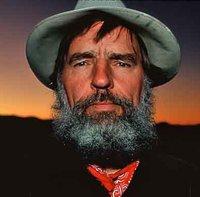
Edward Abbey
Edward Abbey was an American author known for his naturalist works and advocacy for environmental protection. His writings often take the desolate wilderness of the American Southwest as a backdrop, profoundly revealing the relationship between humans and nature. Abbey's writing style is unique, filled with humor and satire, and has had a profound impact on later generations. more
You May Also Like
“Nothing is so precious to a woman's heart as the glory and excellence of him she loves”
Source: The Last Man
“Il faut vouloir vivre les grands problèmes, par le corps et par l’esprit”
Source: Escape to Hell and Other Stories
“I was born for something greater than I was- and greater I would become”
Source: A Pause in the Perpetual Rotation
Source: Absolute Intolerance
Source: The Fault in Our Stars