Quotessence
Home / Quotes / Quote by Virginia Woolf

Quote by Virginia Woolf

“yet she could not resist sometimes yielding to the charm of a woman, not a girl, of a woman confessing, as to her they often did, some scrape, some folly. And whether it was pity, or their beauty, or that she was older, or some accident-like a faint scent, or a violin next door (so strange is the power of sounds at certain moments), she did undoubtedly then feel what men felt.”

Quote by Virginia Woolf

Work

Mrs. Dalloway

Virginia Woolf's Mrs. Dalloway is a stream-of-consciousness narrative that delves into the mind of its protagonist, Clarissa Dalloway, as she prepares for a party. The novel is renowned for its innovative narrative style and its portrayal of the complexities of human consciousness and relationships. more

Author

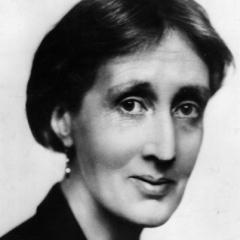
Virginia Woolf
Virginia Woolf

British modernist writer, known for her unique narrative techniques and profound portrayal of female experience. Her works include 'To the Lighthouse' and 'Mrs. Dalloway'. more

You May Also Like

“She follows her nose and stands once more before the doors of a quintessential dilemma. Male or Female. Here is her paradox. A staccato voice seems to challenge her, berate her. Hombre or Mujer. Mann or Frau. Homme or Femme. Gentleman or Lady. Com on, decide. She knows them all. She is them all. Not fluid or all-encompassing, gathering the harvest of the reaping fields, but fractured and split and bleeding. Her inner core weeping out of itself. There is nothing for hermaphrodites. It's too confusing. The words rattle around in her earbones, androgynous and humming. How can she choose? She cannot choose. To choose is to sunder.”

“Maybe moving away would make him not so disorganized. (He doubted himself.) He would send pictures to his mom of his new room, showing not only his tidiness, but also his self-sufficiency and that he could make ends meet by himself. Which would surprise her, maybe even offend her; yes, she would have been wrong about him—because Randolfo could take care of himself, he thought with a sense of pride.”