“HELP!” I race to the square, crossing it, looking all around, listening out- No. No. It’s empty. Viola’s breathing heavy in my arms . And Haven is empty. I reach the middle of the square. I don’t see nor hear a soul. I spin around again. “HELP!” I cry. But there’s no one. Haven’s completely empty. There ain’t hope here after all.”
Quote by Patrick Ness
Work
The Knife of Never Letting Go
In this gripping dystopian narrative, Todd, a young boy living in a world where every thought is an echo, embarks on a perilous journey to uncover the secrets of his world. As he navigates the treacherous landscape, Todd must confront the dark forces that threaten not only his own survival but the existence of humanity itself. more
Author
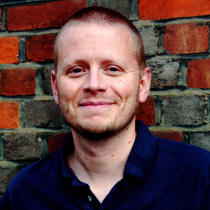
Patrick Ness
Patrick Ness, born on October 17, 1971, is a renowned author from the United Kingdom. Known for his unique writing style and engaging narratives, Ness has made a significant impact in the realm of young adult literature. His works often delve into complex human relationships and emotional experiences, resonating with both young readers and literary critics. more
You May Also Like
Source: Worries
Source: Anger
Source: Aptavani-1
Source: Autobiography of Gnani Purush - A M Patel
Source: Non-Violence: Ahimsa