Quotessence
Home / Quotes / Quote by Hideaki Anno

Quote by Hideaki Anno

“God knows I'm not perfect, either. I've made tons of stupid mistakes, and later I regretted them. And I've done it over and over again, thousands of times; a cycle of hollow joy and vicious self-hatred. But even so, every time I learned something about myself -Misato Katsuragi”

Quote by Hideaki Anno

Work

Groundwork of Evangelion Vol.1

Browse quotes and source details for this work. more

Author
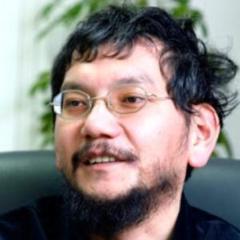
Hideaki Anno
Hideaki Anno

Hideaki Anno, born on May 22, 1960, is a Japanese animator, director, screenwriter, and producer. He is renowned for his innovation and influence in the animation industry, with his most famous work being 'Neon Genesis Evangelion'. Anno's works often explore themes of religion, philosophy, and the human condition. more

You May Also Like

“It has been a long trip," said Milo, climbing onto the couch where the princesses sat; "but we would have been here much sooner if I hadn't made so many mistakes. I'm afraid it's all my fault." "You must never feel badly about making mistakes," explained Reason quietly, "as long as you take the trouble to learn from them. For you often learn more by being wrong for the right reasons than you do by being right for the wrong reasons.”

“You have a right to experiment with your life. You will make mistakes. And they are right too. No, I think there was too rigid a pattern. You came out of an education and are supposed to know your vocation. Your vocation is fixed, and maybe ten years later you find you are not a teacher anymore or you're not a painter anymore. It may happen. It has happened. I mean Gauguin decided at a certain point he wasn't a banker anymore; he was a painter. And so he walked away from banking. I think we have a right to change course. But society is the one that keeps demanding that we fit in and not disturb things. They would like you to fit in right away so that things work now.”

“That was our mistake, I think. One of many mistakes. To believe that boys were acting with a logic that we could someday understand. To believe that their actions had any meaning beyond thoughtless impulse. We were like conspiracy theorists, seeing portent and intention in every detail, wishing desperately that we mattered enough to be the object of planning and speculation. But they were just boys. Silly and young and straightforward; they weren't hiding anything.”