“When the sun peeped into the girls' room early next morning...he saw a comical sight. Each had made such preparation for the fete as seemed necessary and proper. Meg had an extra row of little curl papers across her forehead, Jo had copiously anointed her afflicted face with cold cream. Beth had taken Joanna to bed with her to atone for the approaching separation, and Amy had capped the climax by putting a clothespin on her nose, to uplift the offending feature. It was one of the kind artists use to hold their paper on the drawing boards, therefore quite appropriate and effective for the purpose to which it was now put. This funny spectacle appeared to amuse the sun, for he burst out with such radiance that Jo woke up, and roused the girls with a hearty laugh at Amy's ornament.”
Quote by Louisa May Alcott
Book:Little Women
Work
Little Women
Set in the mid-19th century, this enduring tale follows the adventures and challenges of Meg, Jo, Beth, and Amy March, four sisters from a modest New England family. The narrative explores themes of love, loss, and the pursuit of individual dreams amidst the backdrop of a turbulent period in American history. more
Author
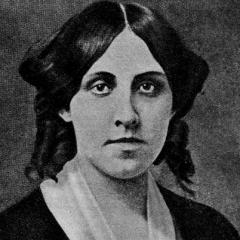
Louisa May Alcott
American novelist, famous for works such as 'Little Women'. Born on November 29, 1832, and died on March 6, 1888. more
You May Also Like
“Sitôt que le soleil pénètre dans une pièce où pétille un feu, le feu disparaît.”
Source: The Essence of Buddhism
Source: North and South
Source: Seeing in the Dark: How Amateur Astronomers Are Discovering the Wonders of the Universe
“First, find your place in the sun, and then avoid sunstroke.”
“What... what does the sun taste like?' The curve of his lips was wicked. 'Like you.”
Source: A Shadow in the Ember