Quotessence
Home / Quotes / Quote by William Shakespeare

Quote by William Shakespeare

“The bow is bent and drawn; make from the shaft. Kent. Let it fall rather, though the fork invade The region of my heart! Be Kent unmannerly When Lear is mad. What wouldst thou do, old man? Think'st thou that duty shall have dread to speak When power to flattery bows? To plainness honour's bound When majesty falls to folly. Reverse thy doom; And in thy best consideration check This hideous rashness. Answer my life my judgment, Thy youngest daughter does not love thee least, Nor are those empty-hearted whose low sound Reverbs no hollowness.”

Quote by William Shakespeare

Work

King Lear

A profound exploration of power, betrayal, and human folly, this play follows the aging King Lear as he divides his kingdom among his daughters, based on their declarations of love. The consequences of his decisions lead to chaos and tragedy. more

Author

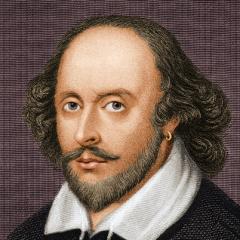
William Shakespeare
William Shakespeare

William Shakespeare (1564 - April 23, 1616) was one of the greatest poets of the English Renaissance, renowned for his dramatic works. His plays spanned a variety of genres, including tragedy, comedy, and history, and have had a profound impact on literature worldwide. more

You May Also Like

“one of the fascinating traits of human kind is how we corrupt anything. which begs the question. Are we really the children of god or bastards of devil? look what we do to childhood innocence look what we do to a democracy look what we do to a helpless women, a tired man. look what we have done to religion, morality, diversity. look what we are doing to nature. humanity really!”

“There are certain rules of logic that science has to adhere to, and there are good reasons for that; faith by contrast ignores all of that outright, preferring to believe whatever makes one happy. I want people to understand that accuracy and accountability actually matter, not just in academics but also as a point of integrity and honor and as a general rule in life.”

“I have never seen or heard of such a fish. But I must kill him. I am glad we do not have to try to kill the stars.” Imagine if each day a man must try to kill the moon, he thought. The moon runs away. . . . Then he was sorry for the great fish that had nothing to eat and his determination to kill him never relaxed in his sorrow for him. . . . There is no one worthy of eating him from the manner of his behavior and his great dignity. I do not understand these things, he thought. But it is good that we do not have to try to kill the sun or the moon or the stars. It is enough to live on the sea and kill our true brothers.”