Quotessence
Home / Quotes / Quote by Edna St. Vincent Millay

Quote by Edna St. Vincent Millay

Work

Collected Poems

This book is a collection of poems that spans different styles and themes, showcasing the diversity of poetic expression. more
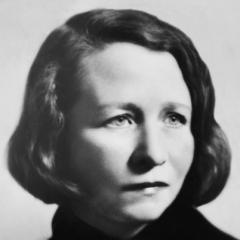
Author

Edna St. Vincent Millay

American poet, known for her lyrical and free verse poetry. Her poems are characterized by their deep portrayal of nature, love, and the female experience. Millay won the Pulitzer Prize for Poetry in 1923, becoming the first woman to receive the award. more

You May Also Like

“People that hold onto hate for so long do so because they want to avoid dealing with their pain. They falsely believe if they forgive they are letting their enemy believe they are a doormat. What they don’t understand is hatred can’t be isolated or turned off. It manifests in their health, choices and belief systems. Their values and religious beliefs make adjustments to justify their negative emotions. Not unlike malware infesting a hard drive, their spirit slowly becomes corrupted and they make choices that don’t make logical sense to others. Hatred left unaddressed will crash a person’s spirit. The only thing he or she can do is to reboot, by fixing him or herself, not others. This might require installing a firewall of boundaries or parental controls on their emotions. Regardless of the approach, we are all connected on this "network of life" and each of us is responsible for cleaning up our spiritual registry.”

“Characters should be interchangeable as between one book and another. The entire corpus of existing literature should be regarded as a limbo from which discerning authors could draw their characters as required, creating only when they failed to find a suitable existing puppet. The modern novel should be largely a work of reference. Most authors spend their time saying what has been said before – usually said much better. A wealth of references to existing works would acquaint the reader instantaneously with the nature of each character, would obviate tiresome explanations and would effectively preclude mountebanks, upstarts, thimble-riggers and persons of inferior education from an understanding of contemporary literature.”