Quotessence
Home / Quotes / Quote by Dorothy Allison

Quote by Dorothy Allison

Author

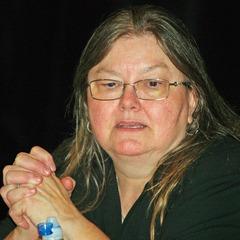
Dorothy Allison
Dorothy Allison

Dorothy Allison is an American writer known for her incisive social commentary and feminist literary works. Her writing often focuses on marginalized and overlooked groups, particularly women and the LGBTQ+ community. Born on April 11, 1949, Allison's writing career is marked by a deep exploration of issues related to gender, class, and race. more

You May Also Like

“Everything is meant to be gained and lost. Money, jobs, position, titles, friends, relationships, food, and happiness. The trick is to make sure whatever you gained. You hold on to it the longest. You make the best of it. You enjoy it. You preserve it. You appreciate it. You value it. You don’t give it away or lose it before time. That includes life itself.”

“Da piccolo mi nascondevo spesso, tra gli alberi, dietro i cespugli, sotto il letto. Non per un gioco in particolare, ma semplicemente perché mi piaceva la sensazione di appartenere soltanto a me stesso, sentire che niente e nessuno aveva presa su di me. Mi piaceva udire i miei genitori che mi chiamavano e non rispondere. Poi dovevo uscire dal mio nascondiglio, essere un figlio, un allievo, un fratello, più tardi un impiegato, un marito, un padre. Alla fine, mi nasconderanno di nuovo in una grande scatola e nessuno mi chiamerà per farmi uscire. Ho continuato a nascondermi per tutta la vita. E ogni volta, quando tornavo, facevo come se non fossi mai partito. Nessuno è poi tanto stupido, ma questa commedia, questo viavai permanente si è instaurato con il tacito accordo di coloro che mi sono vicini, gli altri se ne sono andati. Sono l’amico, il fratello e il figlio assente. Quello su cui non si può realmente contare. Quello che si tiene a distanza per paura di affezionarvisi. Ed eccomi qui, sempre nascosto dietro due tronchi d’albero, un boschetto e una sigaretta elettronica, mentre lo spettacolo comincia tra due minuti.”

“In the way we regard our children, our spouses, neighbors, colleagues, and strangers, we choose to see others either as people like ourselves or as objects.They either count like we do or they don't. In the former case we regard them as we regard ourselves, we say our hearts are at peace toward them. In the latter case, since we systematically view them as inferior, we say our hearts are at war.”

“Gus is the Cat at the Theatre Door. His name, as I ought to have told you before, Is really Asparagus. That's such a fuss To pronounce, that we usually call him just Gus. His coat's very shabby, he's thin as a rake, And he suffers from palsy that makes his paw shake. Yet he was, in his youth, quite the smartest of Cats — But no longer a terror to mice or to rats. For he isn't the Cat that he was in his prime; Though his name was quite famous, he says, in his time. And whenever he joins his friends at their club (which takes place at the back of the neighbouring pub) He loves to regale them, if someone else pays, With anecdotes drawn from his palmiest days. For he once was a Star of the highest degree — He has acted with Irving, he's acted with Tree. And he likes to relate his success on the Halls, Where the Gallery once gave him seven cat-calls. But his grandest creation, as he loves to tell, Was Firefrorefiddle, the Fiend of the Fell.”