“A moral economy is either a moral enterprise that is guided by a genuine spiritual desire to create one, even at the expense of strictly economic considerations, or it will degenerate into another profit-oriented and exploitative use of resources. Citizens who are not prepared to pay higher prices to support such an economy and volunteer their own efforts on its behalf are not likely to be prepared for self-governance in any form. Hence the need for a new municipal politics to become an intensely educational and participatory experience at every level of civic life.”
Quote by Murray Bookchin
Work
Urbanization without cities: the rise and decline of citizenship
The text delves into the complexities of how citizenship is shaped and transformed in areas experiencing urbanization without the presence of conventional cities. It investigates the historical and contemporary trends, analyzing the implications for social, economic, and political structures. more
Author
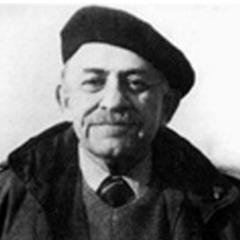
Murray Bookchin
Murray Bookchin was an American author, philosopher, and social theorist known for his work in social ecology and anarchism. His most famous book, 'The Ecology of Freedom', explores the relationship between ecology and social theory. more
You May Also Like
“It is curious to engage in a competition where no one is in participation.”
Source: Weighty 'n' Worthy African Proverbs - Volume 1
Source: The Universal Christ: How a Forgotten Reality Can Change Everything We See, Hope For and Believe
Source: Simple Reminders: Inspiration for Living Your Best Life
“Leaders need to sacrifice "power-over" to get "power-to".”
Source: The Science of Successful Organizational Change: How Leaders Set Strategy, Change Behavior, and Create an Agile Culture
Source: Agricultura e Florestas: princípios de uma interação vital
Source: Defending Politics: Why Democracy Matters in the Twenty-First Century
Source: Dare